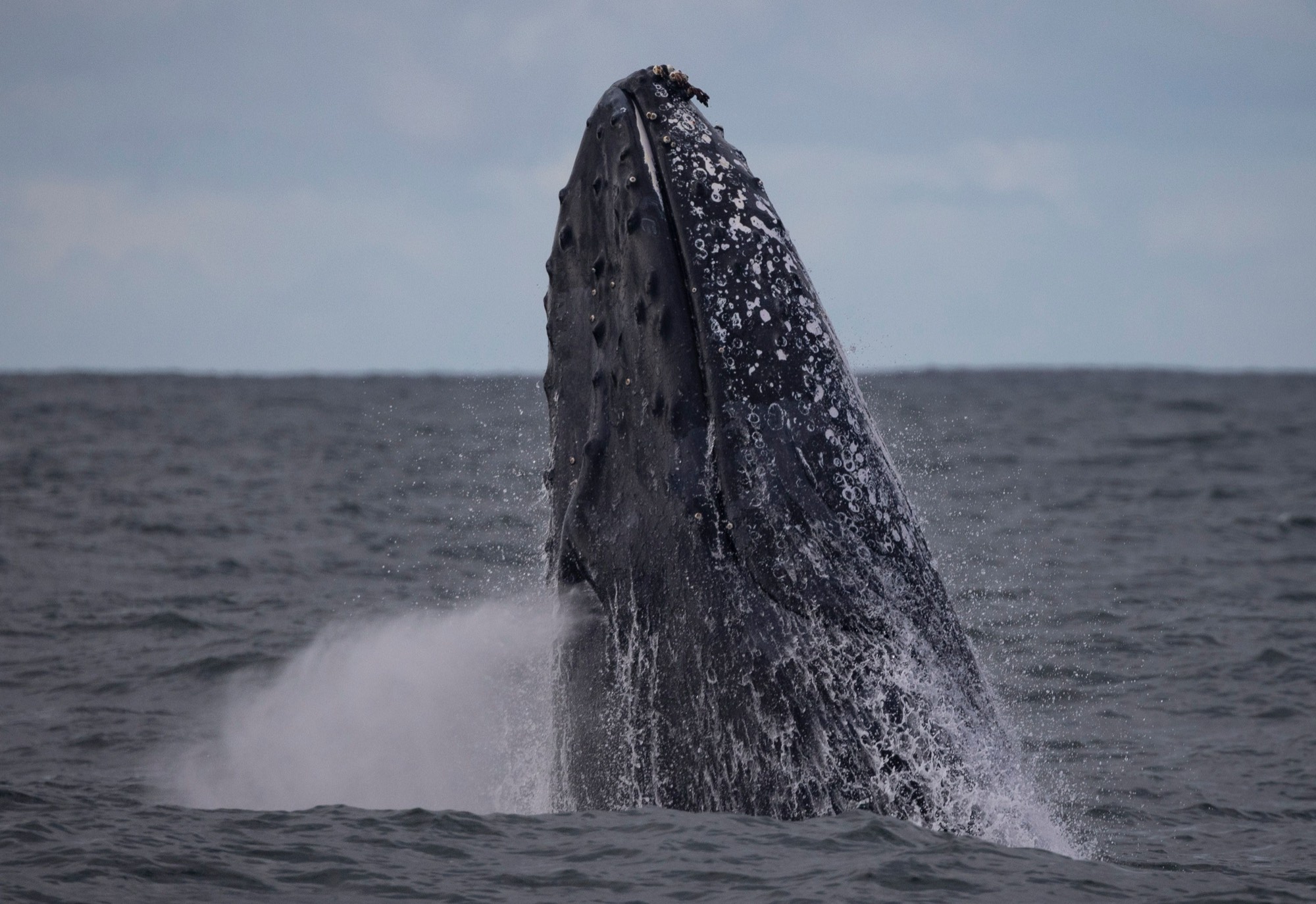
A century ago, we killed more than nine in every ten humpback whales on Earth. Today they fill the oceans with song again. Their recovery shows what is possible — and reminds us how much is still at stake for the whales left behind.
Introduction
Humpback whales have been on an incredible recovery journey over the past many years. They are an example of what can be achieved through conservation and dedication. Humpback whales were one of the most hunted species during the whaling period. Estimates point to 90-95% of the world’s humpback whale population being killed during commercial whaling. In 1963, the International Whaling Commission (IWC) came to an agreement to stop hunting humpback whales. Many populations were still hunted through the 1960s, however, by Soviet whaling operations. The majority of populations are now recovering extraordinarily well. The Southern Hemisphere populations were estimated to be at around 70% of pre-whaling numbers. The species has also shifted from Vulnerable to Least Concern by the IUCN Redlist of Threatened Species (some populations, like the Arabian Sea humpbacks, are still listed as endangered).
NOAA Fisheries has identified 14 distinct population segments, of which 9 are no longer considered in danger of extinction. One population in East Australia grows 11% a year (numbers from 2016) and has possibly already made a complete recovery.
The humpback whale recovery is largely due to cooperation between nations. The moratorium on whaling, with the added creation of whale sanctuaries and regulation of trade in endangered species, played key roles in the recovery. And it would not be possible without multiple nations coming together.
Breeding stock A
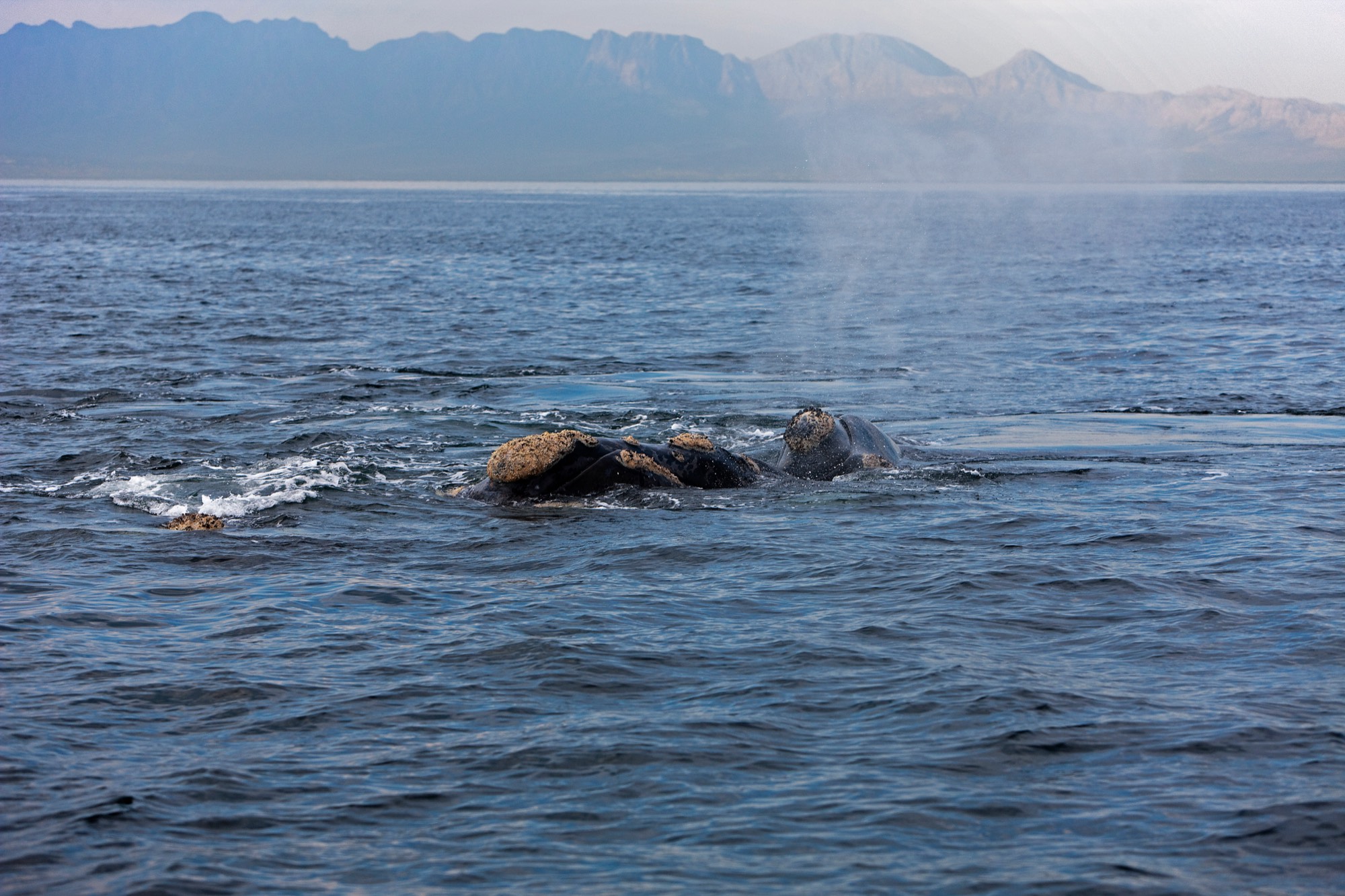
Humpback whales were heavily targeted by whaling operations between the 1700s and the mid-1900s. At least 300,000 were killed worldwide, according to estimates. Some populations are still endangered, but others are thriving. One of the breeding populations in the Southern Hemisphere is breeding stock A, living in the western South Atlantic (WSA). This population lives in the waters off the eastern coast of South America. This population was hunted since at least the early 1800s, but it was not until the early 1900s they became severely exploited. Between 1904 and 1916, about 25.000 whales from this population were killed. A study by Alexandre Zerbini made a population model, which used catch data, abundance estimates and genetics and biology to assess the recovery of the WSA humpback whales. The model indicates that in 1830 the population was at carrying capacity with around 27.000 whales. In 1958, only 440 whales were left according to the model. After 1972, no more whaling occurred, and the population has seen incredible growth since then. Data from 2019 estimates that there currently are 24,900 whales in the WSA population. This indicates a near-complete recovery at 93% of the pre-whaling abundance. The probability of a 99% recovery by 2030 is high. This remarkable recovery shows what is possible with the right protections.
Recovery
In this section, we will look at some of the reasons why the humpback whales are recovering so well when other whales, like the blue whale and fin whale, still struggle.
High pregnancy rates
The recovery of whales depends on many factors, but at the center is their ability to reproduce and create new members of their populations. Antarctic humpback whales have shown an ability to recover relatively quickly after whaling. A study by Logan J. Pallin investigated pregnancy rates in humpback whales around the Western Antarctic Peninsula. They DNA profiled 577 tissue samples and found 239 males and 268 females. By measuring progesterone in blubber (sometimes called the hormone of pregnancy), they could determine whether the whale was pregnant. 63.5% of the biopsied females were pregnant according to their progesterone levels. The study even found that some of the females could reproduce annually - 54.5% of females with a calf were pregnant. These high pregnancy rates are a big reason for the recovery of the humpback whales.
Flexible eaters
Humpback whales are not reliant on a single species for sustenance. They are remarkably flexible eaters and will change their menu if conditions shift. Olga Filatova and her team observed humpback whales between 2017 and 2021. They found that about 100 humpbacks went from eating polar cod one year to dense krill swarms the next. This is a very different strategy from, for example, fin whales, which will go to great lengths to catch their preferred prey.
Whale moratorium
In 1963, the Southern Hemisphere humpback whales were protected by the International Whaling Commission (IWC), followed by the North Pacific in 1966 and the moratorium in 1986 protecting all large whales from commercial whaling. This protection was immensely important, forming the base for everything else. The pressure humpback whales faced was close to extirpating them, and without protection from whaling, humpback whales might not exist today. The protection worked as intended, however, and presently humpback whales are in a good place.
Not all prosper
The humpback whale is an important success story showing us what is possible. The humpback whale recovery story is rather the exception than the rule, though. The humpback whale has recovered to almost their numbers from before whaling. Not all whales recover at this rate.
It is also worth remembering that even with the successes of the humpback recovery, there is still risk. A study from 2024 by Cheeseman found that North Pacific humpbacks declined by about 20% from 2012-2021. The decline from about 33,000 to 26,500 whales was likely due to starvation as a result of the severe marine heatwave from 2014-2016 known as “the Blob”. Climate change can disrupt any recovery.
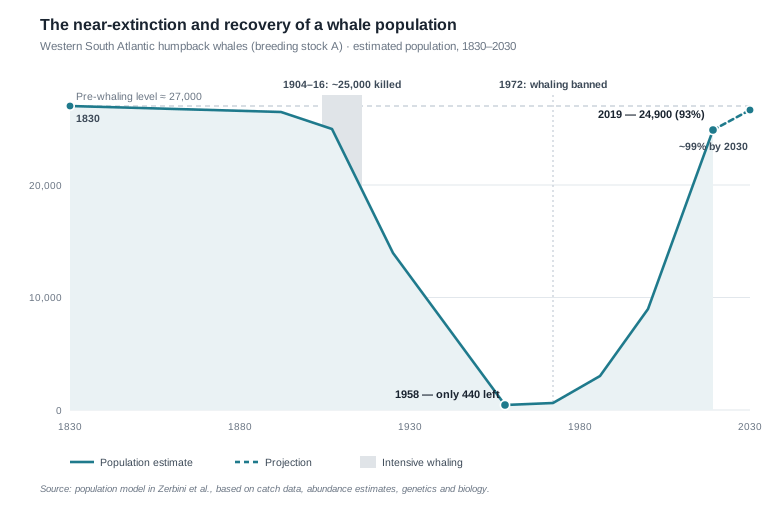
Depending on the life history of the whales, some might need as much as 100 years to recover from whaling. The North Atlantic right whale (NARW) was hunted almost to extinction by whaling. Up until 2010, their numbers slowly increased to their high of just under 500 whales (historical abundance: 9,000-21,000). From 2010 to 2020, however, they declined. The body condition of NARW was on a downward trend, and we know that this will make them forgo reproduction. Zooplankton productivity and prey availability are likely key reasons for their decline, but not the only ones. Energy budgets are impacted by both intake and expenditure, and entanglements in fishing gear likely cost much energy. 83% of NARW have been entangled at least once, and 59% have been entangled two times or more. The energetic cost can be compared to the cost of a one-way migration through the added drag. Since 2020, they have been in a fragile recovery, now numbering around 384 compared to 358 in 2020. So there is hope.
Adult females and their health are the most important factors when considering reproduction and growth rates, even more important than calving rate. And female mortality is much too high. Between 1970 and 2009, 70 out of 87 mortalities for which we know the cause of death were caused by humans. There are very limited observations of other causes of mortality, so the majority of adult female NARW mortality is likely due to humans.
NARW show us that not all whales respond the same to conservation efforts. Some are more vulnerable to human activities, for example. Other conservation strategies or added efforts are therefore needed for some of the other whale species.
One of the most important drivers in the protection of whales in the 1970s and early 1980s was Greenpeace. Greenpeace started as a campaign against US nuclear testing, but thanks to Skana (an Orca), Paul Spong and Bob Hunter, they became important allies to the whales. Skana was born and raised in Puget Sound. When she was six, her pod was captured in Yukon Harbor, Washington, in 1967. She met Paul Spong after she was sold to the Vancouver Aquarium. They bonded and Spong quickly realized that she was much too smart and emotionally sophisticated to be hunted and captured. Spong invited the journalist/leading activist for Greenpeace to meet Skana. Hunter was convinced, and they started documenting and confronting whaling ships. Within months, the rest of the members of Greenpeace joined in. This led to the “Save the Whales” campaigns, which led to huge shifts in the perception of whales. One of the iconic actions was the group of activists in Australia who placed themselves between the harpoons and the whales.
Now many whales are seeing extraordinary recovery, but this might never have been possible without Skana, Paul Spong, Bob Hunter and Greenpeace.