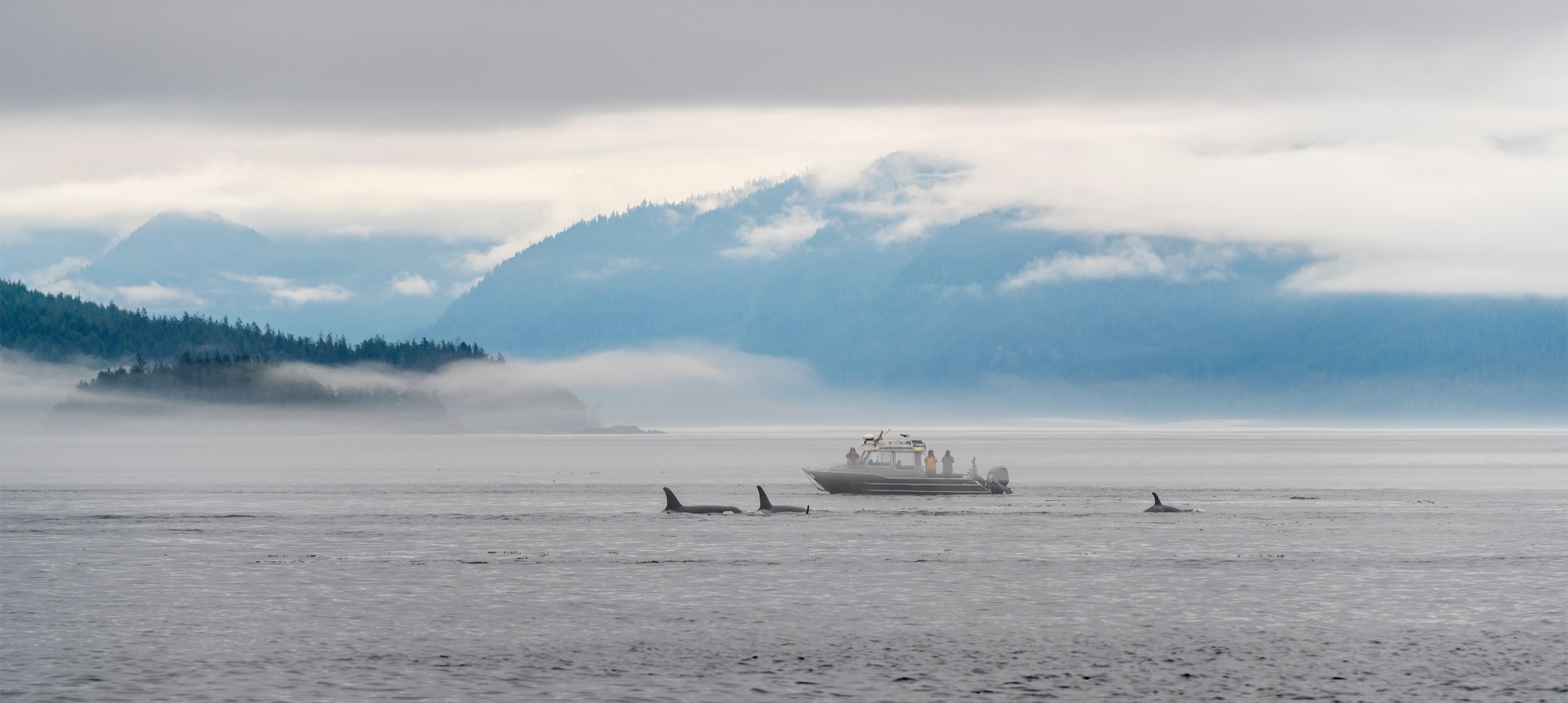
For a whale, a whale-watching boat is not a boat. It is an unfamiliar noise that arrives without warning, follows when you move, and does not leave when you dive. Whether that encounter is harmless or harmful depends almost entirely on choices made by people the whale will never see.
Intro
Whale watching is defined as tours by air, sea, or land to see cetaceans in their natural habitat, with a commercial aspect. Whale watching can be done through everything from small boats and kayaks to helicopters and airplanes. Responsible whale watching includes not only a non-disruptive method for cetaceans but also education. It can have many benefits, such as promoting interest in cetaceans and nature, but it can also bring sustainable economic growth for local communities. Back in 1955, the first commercial whale-watching operation was started by Chuck Chamberlain. He charged 1 dollar for viewing gray whales off the coast of San Diego. From there, it spread to Canada and Mexico, and in the 1980s it spread all the way to Europe and South America. In 2008, whale watching had spread to 119 countries and territories, with 13 million people involved and generating about 2.1 billion dollars. And it is growing. In Latin America, it grew 11.3% per year in the period 1998-2006. Many species of cetaceans are popular to watch, but some of the most frequently viewed are gray whales, humpback whales, right whales, sperm whales, killer whales, and common bottlenose dolphins.
The risk
Cetaceans are already under pressure from several human activities such as fishing and shipping. Whale tourism should not add to these. However, done incorrectly, it can contribute negatively. Ethical whale watching is therefore very important. Whale watching can be dangerous to cetaceans in many ways. Vessel strikes are one potential danger. Whale tourists want to get as close as possible to the whales, but getting too close presents a real danger to cetaceans.
Getting too close can also cause stress in cetaceans and disrupt their normal activities like foraging or sleeping. With humans around, they may also increase their respiratory rates, just as we breathe more quickly when nervous. Over time, this can cause a higher energy expenditure and force them to forage for longer durations.
Noise is also a potential factor. As mammals, whales respond to stress much like humans. They have very sensitive hearing. Imagine going about your daily life, perhaps working or cooking dinner. Now enter some loud machinery working in your backyard. This would be fine for short periods, but over time you would get agitated and stressed. This is not unlike the potential situations faced by cetaceans with overly aggressive whale watchers. Noise from boats can mask communication and foraging, impacting the lives of the whales negatively.
These risks are all significantly mitigated by responsible whale watching, and in the next section we will look at just that.
Being responsible
Responsible whale watching follows the core principles developed by the International Whaling Commission. The principles manage the possible impacts and allow cetaceans to choose the nature and duration of the interaction. In many parts of the world, regulations have been introduced. The regulations are different from country to country, but are created to minimize the disturbance to cetaceans. This is done by limiting the number of tour operators, vessels and the number of tours that can be run in specific areas. The tours can also be limited to specific times of day. There are also strict approach guidelines, vessel speed limits and minimum range rules to disturb as little as possible.
Another part of responsible whale watching is the educational aspect. The education of tourists can help make it a conservation gain for cetaceans rather than being only a disruption. Regulations in New Zealand require whale watching tours to not only limit the negative impacts of whale watching, but also strive to be a conservation benefit by including educational value in the tours. The hope is that it will raise the tourists’ environmental awareness and maybe have them engage in a more active role in conservation.
Wild vs. captivity
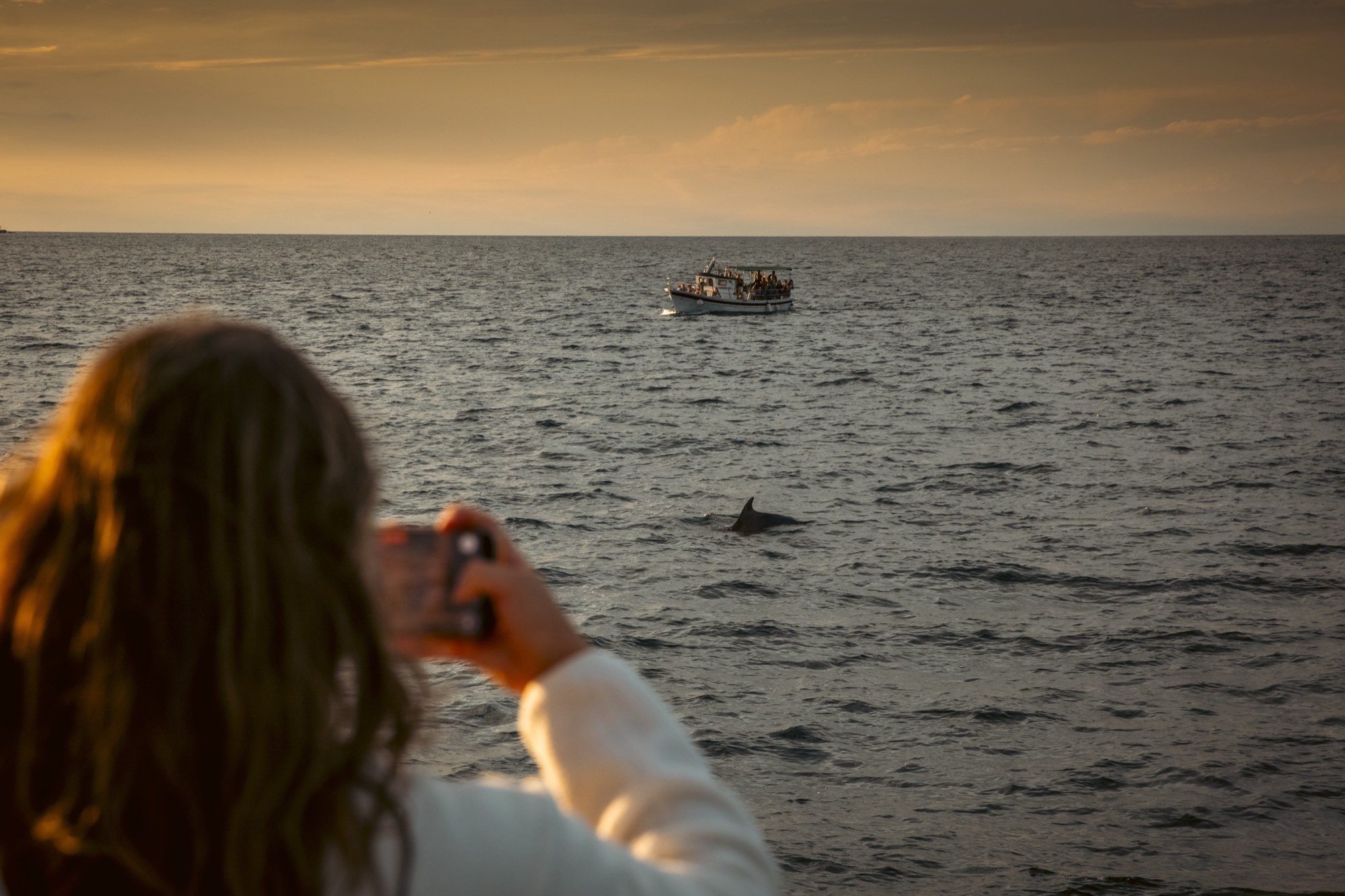
In many places in the world, it is still possible to see captive cetaceans. While it guarantees that you actually see them and get some good and close views, there are certainly downsides to it. Seeing animals in their natural habitat will always be a richer and more profound experience. Ethical considerations also must be weighed. Here we will take a look at a few factors worth considering.
There are many responsible ways to see whales in the wild. Depending on which whale you want to see, the destination varies quite a bit. For orcas, Vancouver Island or Norway are the places to go. Other places to consider:
The Azores, Portugal
Time to visit April to October
Whales Over 20 species - including blue whales, fin whales and sperm whales.
Responsibility Many vessels have a marine biologist on board, providing knowledge of the whales and responsible whale watching. Operators often use land-based lookouts to reduce search time and fuel use.
Kaikōura, New Zealand
Time to visit June to August
Whales Sperm whales (year-round), humpback whales, pilot whales and dusky dolphins.
Responsibility Strong focus on responsible tourism. They follow strict codes, limit the number of vessels and aircraft approaching a whale, and approach distances are respectful of the whales. Operators employ hydrophones in the search for whales, thereby minimizing any disturbance.
Iceland
Whales Humpback whales, minke whales and white-beaked dolphins.
Responsibility Many local operators are certified by globally recognized schemes. Some tours run on renewable energy or use silent electric boats, which minimizes disturbance to both the tourist and the whale.
Ogasawara Islands, Japan
Time to visit February to April
Whales Humpback whales
Responsibility Local communities have ecotourism partnerships designed to protect humpback whale habitats. These islands follow strict rules for viewing, and the operators are passionate about marine life.
South Africa
Time to visit June to November
Whales Southern right whales calve and nurse between June and November and are often visible from land.
Responsibility At sea, the mothers and calves are protected by strict permitting and regulations.