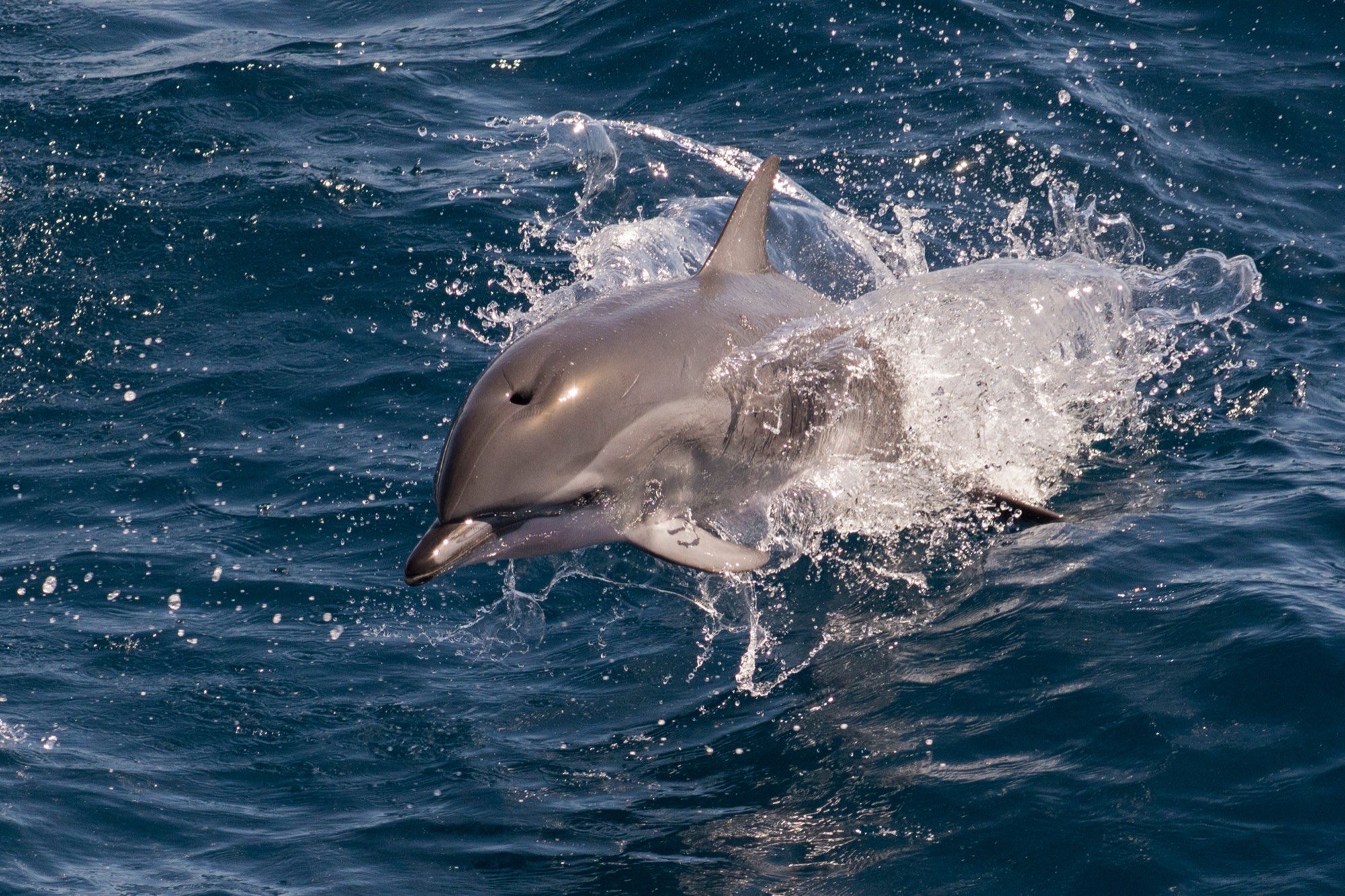
Every year, around 300,000 whales and dolphins die tangled in fishing gear meant for other animals. No one set out to kill them — and that may be exactly what makes it so hard to stop. This is the quiet catastrophe of bycatch.
Bycatch
Around 300,000 cetaceans are killed every year as bycatch. These deaths are mostly unintended and are a byproduct of fishing. Bycatch is nowadays used to describe all unintended capture of marine life. Almost all marine mammals are at risk of getting caught as bycatch. Much of the fishing gear used has been reported to catch cetaceans. Since the 1950s, fishing has seen dramatic changes with increasingly effective technology. Nets are now larger and stronger, and new fishing techniques have developed. Especially gillnets and entangling nets are dangerous for cetaceans. The intensity of fishing has also increased fourfold since 1950. This development has placed additional stress on cetaceans and is considered by far the greatest threat to them. In the 1980s, the baiji was the only small cetacean listed as Endangered by IUCN. By now the baiji has sadly almost certainly gone extinct, and 13 other small cetacean species, subspecies or populations have been designated as Critically Endangered on the IUCN Red List. Bycatch is named as the primary threat for 11 of these 13 small cetaceans.
Cetaceans are generally slow reproducers, which means that even relatively small numbers of bycatch may threaten their populations.
Many nations now recognize the problem and are legislating to protect marine life in the future. Much of this legislation was born out of case studies that revealed unsustainable levels of bycatch. However, even with the intention to do good, it is hard to make a difference. It is very hard to enforce possible solutions like conservation zones where gillnets are made illegal. In the short term, enforcement efforts likely must increase if we are to save some of the most critically endangered cetaceans, like the vaquita (only 7-10 left, but calves have been spotted, so hope remains). Long-term, the best solution is the development of alternative fishing gear that is effective for fishermen and replaces gillnets while significantly reducing bycatch.
Dolphin fishing
The large-scale catch of dolphins in the tuna purse seine fishery was the first time bycatch became a real concern. The hooking or snaring from nets threatens whales, sharks, seabirds and sea turtles. The fishing methods mostly associated with dolphin bycatch are the use of gillnets, purse seine nets, fish aggregating devices and long lines. Especially the purse seine fishery, which began in the 1950s, has been lethal to dolphins. Purse seine nets will encircle large groups of fish and trap them by cinching the net (or “purse” the net) through a metal cable from the bottom. These nets will often be set around dolphin schools, because tuna are known to aggregate below these schools. The nets then often catch both. Schools of tuna will be located by spotting dolphins or seabirds. Then the fishermen will use speedboats to chase the dolphins and force them into a tight group. The bond between dolphin and tuna is so strong that the tuna stay with the dolphins and are herded along with them. When the net is then set around them, both tuna and dolphins are caught. The dolphins will now be set free, but it is a difficult process that depends on the skill of the captain and crew. Further, it requires proper operation of gear and the right wind and sea conditions. Things in this process often go wrong, with the result being dolphins trapped in the net and dying. During the 1960s and up to 1972, between 200,000 and 500,000 dolphins were killed every year. Efforts to prevent this began thereafter, but during the 1980s, tens of thousands to over a hundred thousand dolphins were still killed yearly. Public pressure has meant that there has been a reduction in dolphin bycatch. The populations are not showing strong signs of recovery, however. Possible reasons for this could be effects of chase and encirclement (stress, induced abortion, separation of mothers and calves) and the under-reporting of kills.
Entanglement
Fish have long been an integral part of human subsistence hunting. At no point in history has fishing been this big of an industry and this technologically advanced, however. According to the Food and Agriculture Organization of the United Nations, more than 36 million people work in capture fisheries. The techniques used to catch fish vary between fisheries, but the use of ropes, lines and twine is shared. Taken together with the advancements in gear from natural fibers to the stronger and more durable plastic ropes and twines, the lives of whales are highly threatened. Most of the fisheries are fishing in coastal waters, just like whales and dolphins. Interactions and dangerous situations inevitably occur.
Dolphins and seabirds have been known to become entangled and caught, with much-deserved attention to this issue. In recent times, the entanglement of large whales has become a serious issue. Rope has gotten stronger, which means that whales have a harder time breaking free from them. The occurrence, injury severity and deadliness have all increased. Especially in North Atlantic right whales and Arabian Sea humpback whales, this has become a conservation problem. Other than the population challenges, entanglement also brings serious animal welfare concerns. Entangled whales often get severe injuries from entanglement and suffer for months to years before ultimately succumbing to it. All large whale species have been entangled in all oceans. 83% of North Atlantic right whales have been entangled in fishing gear at some point. Somewhere between 50 and 100 are entangled each year, often with serious injuries following from this. Almost similar findings exist for humpback whales in Oman and the western North Atlantic, minke whales in the Sea of Korea, and many more species around the world.
To combat entanglement, disentanglement teams exist in many places around the world. The detection rate sits below 10%, however, meaning that it cannot be the final solution. In the USA, gear modifications have been ordered for more than 20 years, but the problem remains unsolved. Current research focuses on whales avoiding the gear by both visual and acoustic warnings, reducing the strength of the ropes and coming up with other fishing methods that use fewer or no ropes.
Large whale entanglements
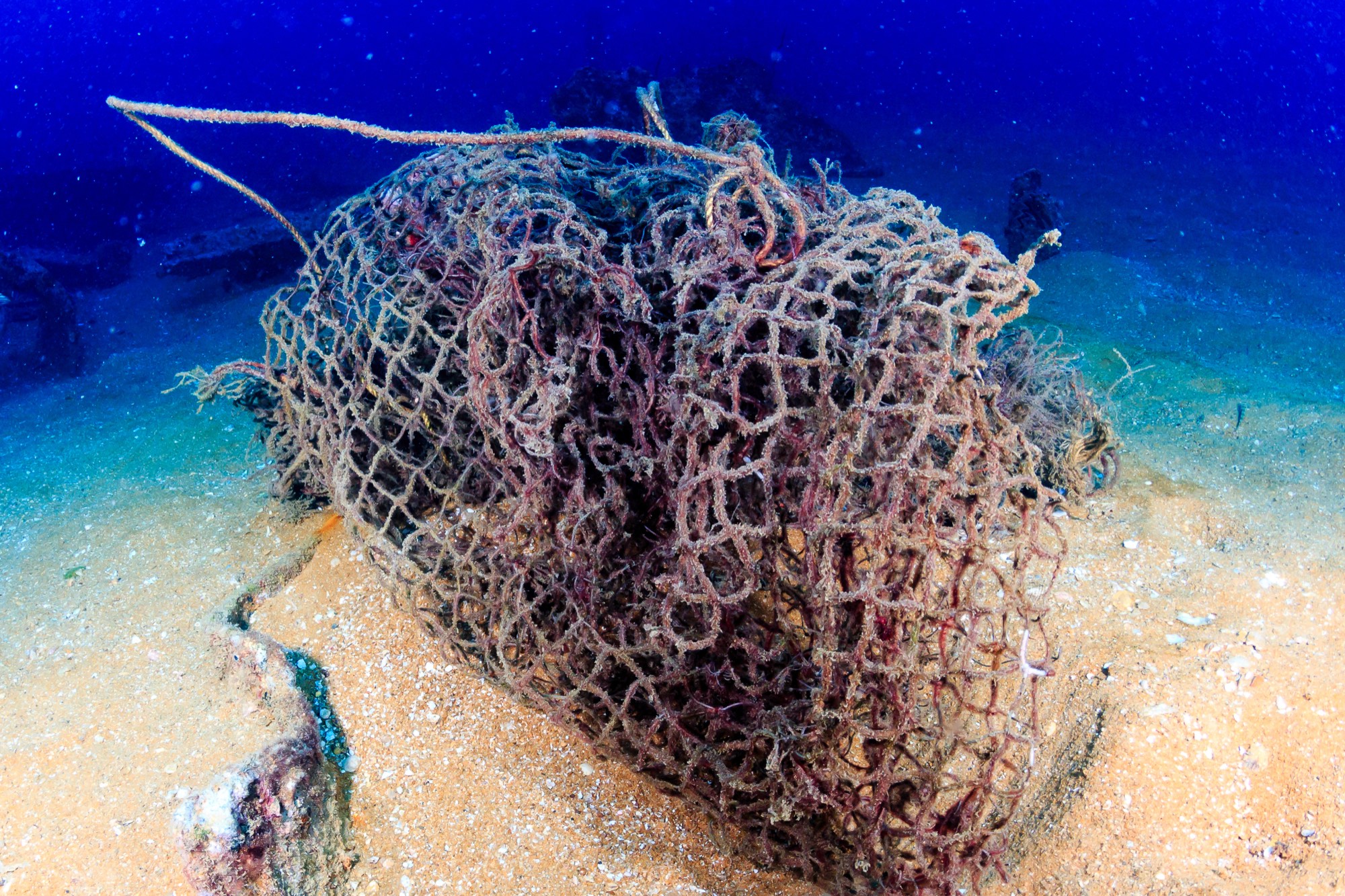
In this section, we will take a look at some of the ways entanglement affects large whales. It can both end their lives and have serious implications for animal welfare. The welfare focus has mostly been on captive marine mammals, which is of course very important. The welfare of wild marine mammals is equally important, however, and has not gotten nearly the same attention. The large whale species may suffer for years due to entanglement in fishing gear.
Drowning
If the whale is entangled in gear that it cannot break free from or swim with the gear to the surface, it drowns. When this is the case, lesions are seen on the body with the rope texture clearly imprinted on the whale’s skin. As the whale tries to break free, it can also cause deep skin, blubber and muscle cuts, perhaps even reaching the bone. According to a study by Rachel M. Cassoff, where they examine 21 entanglement cases, two factors were decisive in drowning cases. It seems that young age may put whales at greater risk of drowning. There likely comes a time when they are big enough to either break free from the gear and carry it to the surface with them. Until then, they are more vulnerable. The other factor is how many body parts are entangled. In the study, nearly all of the whales that drowned had at least 5 body parts entangled. In one of the cases from the study, a whale had a line wrapped 12 times around its body from head to tail, with its flippers locked tightly to its body.
Starvation
Fishing gear can severely reduce the foraging ability of whales and is a primary cause of mortality in entangled whales. The sad nature of this is that the suffering can be protracted. One of the whales studied in the previously mentioned study gradually starved to death over 320 days. Another was so starved that it had outlines of its ribs and scapulae show through the blubber. A clear sign of long-term starvation. Entanglement with the head involved means a high likelihood of lethal consequences. This is likely due to a reduction in feeding efficiency. Rope can restrict the mouth opening, disrupt flow patterns, interfere with the baleen and disrupt movement of the lips and tongue. In the study by Cassoff, oral entanglement was found in 64% of all the lethal cases.
Drag
Whales are very efficient swimmers with a low drag coefficient. Adding fishing to the equation radically changes this. The propulsive requirements, on average, increase 1.58-fold. This strongly affects the survival of the whales and their energy budget. This especially impacts reproductive females. Drag from fishing gear accounts for up to 8% of the female reproductive energy budget. The result is that it takes longer to restore sufficient energy for pregnancy and a delay of reproduction by months to years.
The energetic demands of being entangled in fishing gear are comparable to life-history events such as migration and pregnancy.
Infection
Infections can occur due to laceration by the fishing gear. The wounds can be both deep and relatively superficial. In the study by Cassoff, two of the whales died from infection. The wounds were relatively superficial and likely did not cause much trouble at first. The lacerations left the skin unprotected, however, which allowed the bacteria and pathogens to enter. This resulted in gradual weakening of the immune defense and development of secondary infections.
Severe tissue damage
Fishing gear can be the cause of massive traumatic tissue damage. In one of the cases described by Cassoff’s study, a North Atlantic right whale had line entangled between both flippers, which flensed 1.5 m of blubber from the back, revealing both underlying muscle and bones. It also cut through the soft tissue of one flipper and embedded in the bone, which caused fatal debilitation. The damage from fishing gear is probably dependent on how many body parts get entangled and for how long. The gear tightens when the whale moves and, over time, cuts deeper and deeper into the whale. The three whales that died of tissue damage in the study were entangled for long periods. On average, at least 6 months, and the longest duration may have been up to 1.3 years before it died.
A large number of cetaceans die every year in fishing gear. Overall, we don’t know much about the levels of bycatch and entanglement in most of the world’s fisheries. The laws that exist to protect cetaceans are focused on the maintenance of populations. Bycatch and entanglement reach past the singular focus of population protection, however. It brings with it welfare concerns as well. The cetaceans that are killed can suffer for long periods of time. And the ones that escape do so with trauma from injuries, stress or the loss of conspecifics. Cetaceans are sentient and highly intelligent, belonging on the same level as primates in terms of sensitivity to pain and suffering. Changes in fishery management have been mostly absent and don’t reflect the amount of welfare knowledge we currently possess.